
Workout Summary: Upper Body Focus
- Build a powerful and balanced upper body by targeting the key upper body muscles, while also considering routines that engage the entire body for balanced development.
Incorporate exercises that emphasize the lower chest alongside comprehensive upper body movements.
Combine strength training with compound lifts and isolation exercises, prioritizing compound lifts as they provide the greatest stimulus for muscle growth and strength, to promote serious upper body strength and muscle growth.
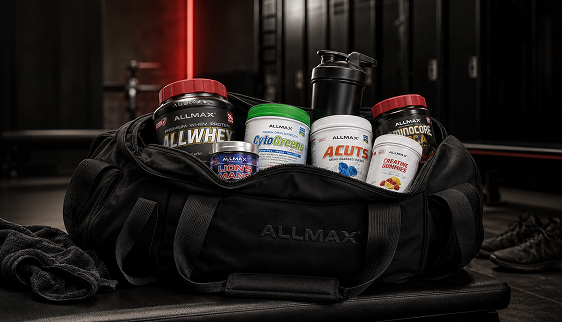
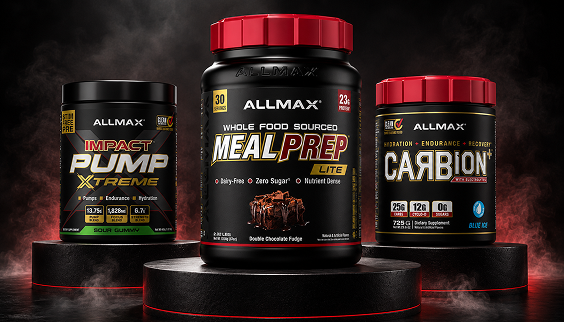
Support your training with ALLMAX’s professional-grade protein powders and supplements for optimal recovery.
Introduction to Upper Body Workout
A well-rounded upper body workout targets multiple muscle groups, including the chest, biceps, shoulders, and back, providing balanced development and serious upper body strength. While this routine emphasizes the lower chest and biceps, it also integrates effective compound lifts and isolation exercises for the entire upper body. Incorporating exercises such as decline dumbbell bench press and dips focuses on the lower chest muscles, while barbell curls and hammer curls build impressive biceps. Complementary movements like overhead presses and rows engage the shoulders and back, creating a comprehensive upper body workout that enhances muscle activation, strength, and aesthetics. Training these muscles together maximizes efficiency and supports better muscle balance, helps address muscular imbalances, and aids in injury prevention.
For optimal results, aim to train your upper body two to three times a week, allowing at least one full rest day between sessions to support muscle recovery and growth. Incorporating progressive overload, that is, gradually increasing the weight, reps, or sets, ensures continued strength gains and helps avoid plateaus. Upper body strength training also plays a key role in maintaining muscle mass and bone density as you age, supporting long-term health and mobility.

IFBB Pro Upper Body Workout
Train like the pros with a workout designed to develop your lower chest, biceps, and overall upper body strength. Before starting, select your desired weight for each exercise; choose a load that allows you to maintain correct form throughout the set. This routine combines targeted lower chest exercises with classic upper body compound lifts and bicep isolation moves to build serious upper body strength and muscle size. For some exercises, aim to perform as many reps as possible to maximize muscle fatigue and hypertrophy.
Workout Description:
Exercise 1: Decline Dumbbell Bench Press
This decline bench press exercise targets the lower chest specifically by aligning the muscle fibers with the pressing movement. Set the bench to a decline position (around 15-30 degrees), keep your feet flat on the ground and shoulder width apart for stability, and grip the dumbbells with palms facing forward. Press your shoulder blades back into the bench to maintain proper form. As you lower the weights, keep your elbows bent at about 90 degrees and maintain a slight bend at the bottom of the movement, ensuring constant tension on the chest. Use a full range of motion and focus on a slow, controlled tempo, especially during the eccentric phase, to maximize lower chest activation. Before pressing the weights up, take a deep breath, then press upward while focusing on squeezing the lower chest muscles. This move minimizes shoulder involvement and maximizes lower chest activation.
Exercise 2: Chest Dips with Lean Forward
Begin the chest dip by starting with your arms straight at the top of the movement, ensuring proper form and full extension. Lean slightly forward and keep your upper arms flared out to emphasize the lower chest. Maintain a plank position with knees slightly bent and feet shoulder width apart for optimal posture and stability. Lower yourself slowly, then push back up, focusing on engaging the lower pecs. Aim to perform as many reps as possible to maximize muscle fatigue and growth.
Exercise 3: Barbell Bench Press
A classic compound lift that builds overall chest, shoulder, and triceps strength. Perform this exercise on a flat bench, using an overhand grip slightly wider than shoulder width apart. Press your shoulder blades back into the bench for stability and keep your spine straight. Lower the barbell slowly to your chest, ensuring a full range of motion, and press up with control. This exercise complements lower chest work by developing the entire pectoralis major.
Exercise 4: Overhead Dumbbell Press
Strengthen your shoulders and support upper body stability with this compound lift. Stand with feet hip width apart, holding dumbbells at shoulder height using an overhand grip (palms facing forward). Keep your spine neutral throughout the movement. At the start, your upper arms should be parallel to the floor, elbows bent. Press overhead until your arms are straight, then slowly lower the weights back down to shoulder height, returning your upper arms to the starting position.
Exercise 5: Barbell or Dumbbell Bicep Curls
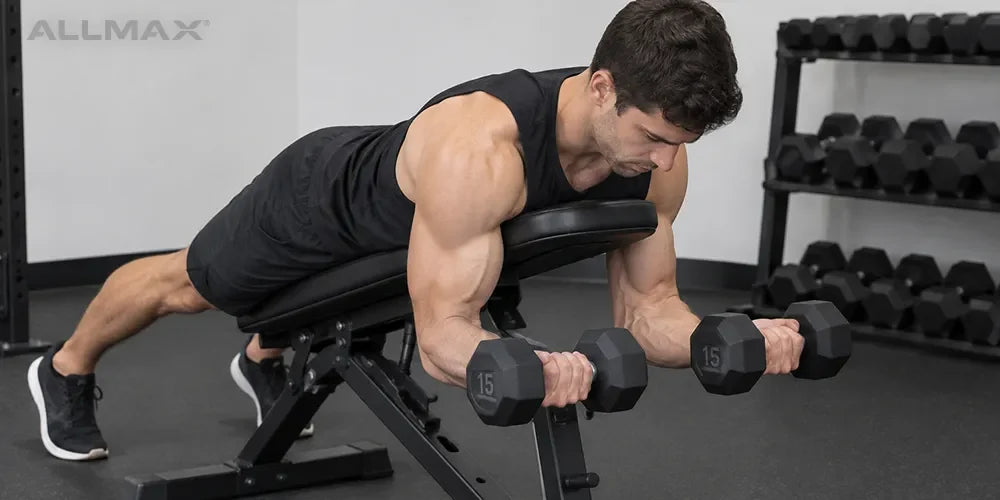
Target the biceps with controlled curls, keeping your upper arms stationary and elbows close to your torso to avoid swinging. Use an overhand grip for variation or a neutral grip depending on preference. Slowly bend and extend the elbows to maximize muscle engagement and mind-muscle connection.
Exercise 6: Cross Body Hammer Curl
This unilateral bicep exercise also engages forearms. Hold dumbbells with palms facing inward and curl one arm across your body toward the opposite shoulder. Lower slowly and repeat for the other arm, focusing on controlled movement.
Exercise 7: Incline Push Ups
Incline push ups are a powerful addition to any upper body workout, especially when your goal is to target the lower chest muscles and build serious upper body strength. To perform incline push ups, begin in a starting position with your hands shoulder width apart on a stable elevated surface, such as a bench or sturdy step. Your feet should be flat on the ground, and your body should form a straight line from your head to your heels. Engage your core muscles to maintain this alignment throughout the movement.
Slowly lower your chest toward the bench, keeping your elbows close to your body to maximize activation of the lower chest and chest muscles. Pause briefly when your chest is just above the surface, then press back up to the starting position, focusing on squeezing your lower chest at the top. This variation of push ups not only emphasizes the lower chest specifically but also reduces strain on the shoulders, making it an excellent choice for those looking to build muscle safely and effectively. Aim for 3 sets of 12–15 reps, maintaining proper form and a controlled tempo for optimal muscle growth.
The Upper Body, Lower Chest & Bicep Workout:
This lower chest workout features some of the best lower chest exercises, including the decline bench press, chest dip, and high-to-low cable fly, to help you build a powerful and defined upper body. Lower chest workouts like this one target the lower portion of the pectoral muscles for both aesthetic and functional benefits. For optimal muscle growth, aim for 10–20 total sets per week for large muscle groups like the chest and back, and 5–10 sets for smaller muscle groups such as the arms and shoulders.
Exercise |
Sets |
Reps |
Targeted Muscle Groups |
|---|---|---|---|
1. Decline Dumbbell Bench Press |
4 |
8–12 |
Lower chest, triceps, shoulders |
2. Chest Dips (leaning forward) |
4 |
8–12 |
Lower chest, triceps, shoulders |
3. Barbell Bench Press |
4 |
8–10 |
Chest, shoulders, triceps |
4. Overhead Dumbbell Press |
4 |
10–12 |
Shoulders, triceps, core muscles |
5. Barbell or Dumbbell Bicep Curls |
4 |
10–15 |
Biceps |
6. Cross Body Hammer Curl |
4 |
10–12 |
Biceps, forearms |
The high-to-low cable fly is also an excellent exercise for targeting the lower chest, as it provides constant tension throughout the range of motion and minimizes shoulder involvement, maximizing muscle activation and time under tension. Each exercise is designed to build serious upper body strength, with a focus on the lower chest and biceps for balanced muscle development. Remember to maintain proper form, control the lowering phase (slowly lower), and engage the mind-muscle connection for maximum gains.
Upper Body Strength and Benefits
Strength training is a key component of any upper body workout, improving daily functionality, athletic performance, and posture. Addressing muscular imbalances through targeted exercises and unilateral work helps prevent injuries and promotes overall upper-body symmetry. Lower chest exercises like decline presses and dips boost pushing power and chest definition. Bicep training enhances pulling strength and arm aesthetics. Compound lifts engage multiple muscle groups simultaneously, promoting serious upper body strength and core stability. For optimal muscle repair and growth, aim for approximately 1 gram of protein per pound of body weight (2.2 grams per kilogram of body weight) daily. Allmax Nutrition can help you reach your protein goals, from whole food options like MealPrep Lite to pure isolates like Isoflex. Combining these exercises with progressive overload and proper nutrition supports continuous muscle growth and injury prevention.
Injury Prevention and Recovery
Start each session with a 5–10 minute warm-up including light cardio and dynamic stretches to prepare joints and muscles. Focus on controlled movements, avoid momentum, and keep your spine straight during lifts. Hydration, adequate protein intake, and rest days between upper body sessions are essential for recovery and muscle repair.
Avoiding Common Mistakes
When performing upper body exercises, avoiding common mistakes is crucial for both safety and results. One frequent error is neglecting proper form, such as letting your back arch or your shoulders roll forward, which can lead to muscle imbalances and increase the risk of injury. Always maintain a straight line from your head to your heels, especially during pressing exercises and push ups, and keep your core muscles engaged to support your spine and promote better muscle activation.
Another common mistake is choosing weights that are too heavy, which often leads to poor technique and reduced effectiveness. Start with a manageable weight that allows you to complete each rep with control, then gradually increase as your upper body strength improves. Rushing through sets or using momentum instead of muscle power can also limit your gains. Focus on slow, controlled movements, especially during the lowering phase, to maximize muscle engagement and growth. By prioritizing form and mindful movement, you’ll get the most out of every upper body workout.

Tips for Effective Workouts
Maximizing your upper body workouts requires a strategic approach. Begin each session with a thorough warm-up, such as 5–10 minutes of light cardio and dynamic stretching, to prepare your muscles and joints for resistance training. Throughout your workout, prioritize proper form and technique to ensure you’re targeting the intended muscle group and minimizing the risk of injury.
To keep your progress on track and avoid plateaus, regularly vary your upper body exercises, sets, and reps. Incorporate different equipment, like dumbbells, barbells, resistance bands, or a cable machine, to challenge your muscles in new ways and promote balanced development. After your workout, take time to stretch and cool down, which aids in muscle recovery and flexibility. By following these tips, you’ll build upper body strength more efficiently and support long-term muscle growth.
Nutrition and Supplementation
Fuel your workouts and recovery with ALLMAX Nutrition’s premium protein powders and meal prep supplements. Adequate protein intake supports muscle repair and hypertrophy, while balanced nutrition ensures energy and overall wellness for sustained training progress.
Staying Motivated
Maintaining motivation is key to achieving your upper body strength and muscle growth goals. Set clear, measurable objectives, such as increasing your bench press weight or mastering a new lower chest exercise, and track your progress with workout logs and progress photos. Joining a fitness community or partnering with a workout buddy can provide accountability, encouragement, and fresh ideas for your body workout routine.
Celebrate your achievements, no matter how small, to keep your momentum going. Whether you’re aiming to build upper body strength, improve your physique, or boost muscle strength for athletic performance, reminding yourself of your reasons for starting will help you stay focused. Consistency and a positive mindset are just as important as the exercises themselves when it comes to reaching your fitness goals.
Conclusion
ncorporating this upper body workout with an emphasis on lower chest and biceps into your routine will help you build serious muscle, strength, and definition. Including exercises like incline bench presses and standard push-ups is essential for developing the upper chest and achieving balanced upper body growth. Combining targeted lower chest exercises with compound upper body lifts and focused bicep training ensures balanced development and improved performance. Always use a full range of motion in all exercises for optimal results. Prioritize proper form, progressive overload, and nutrition to maximize your gains and maintain injury-free progress toward your fitness goals.