
Introduction: Why Supplements for Muscle Recovery Matter
Muscle growth occurs during recovery, not while lifting; resistance training stimulates adaptations and can cause muscle fiber micro tears, glycogen depletion, and delayed onset muscle soreness (DOMS) that require proper repair. Supplements for muscle recovery and post workout recovery supplements, such as protein, carbohydrates, creatine, and amino acids, can help fill nutrition gaps or support training performance.These supplements aid tissue repair and energy replenishment, supporting faster recovery after training, but they complement rather than replace fundamental recovery factors like sufficient total food intake, protein, hydration, sleep, and appropriate programming. This article covers the essential science-backed supplements for muscle recovery and explains how these supplements support muscle repair, glycogen replenishment, and improved training performance. ALLMAX Nutrition offers high-quality products designed to complement your post workout recovery nutrition and help you optimize muscle repair and overall recovery after exercise.
Why Muscle Recovery Matters for Growth and Performance
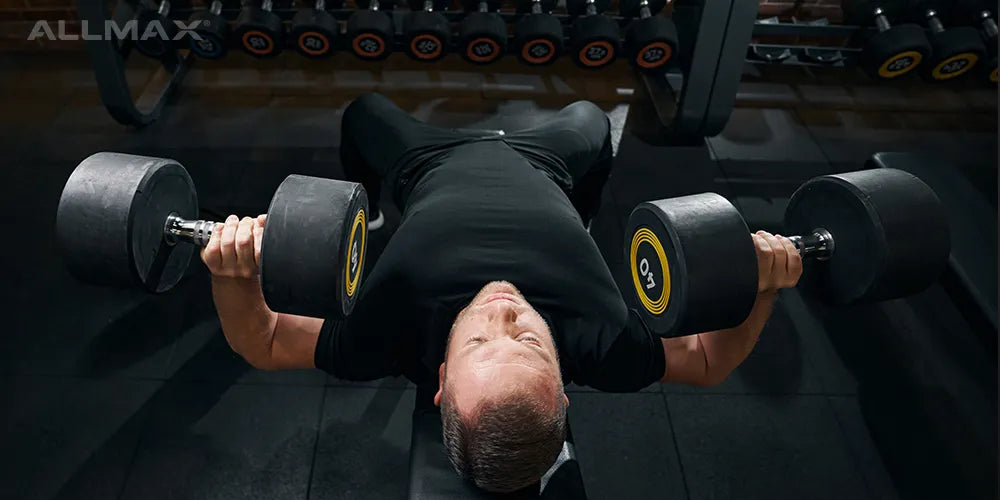
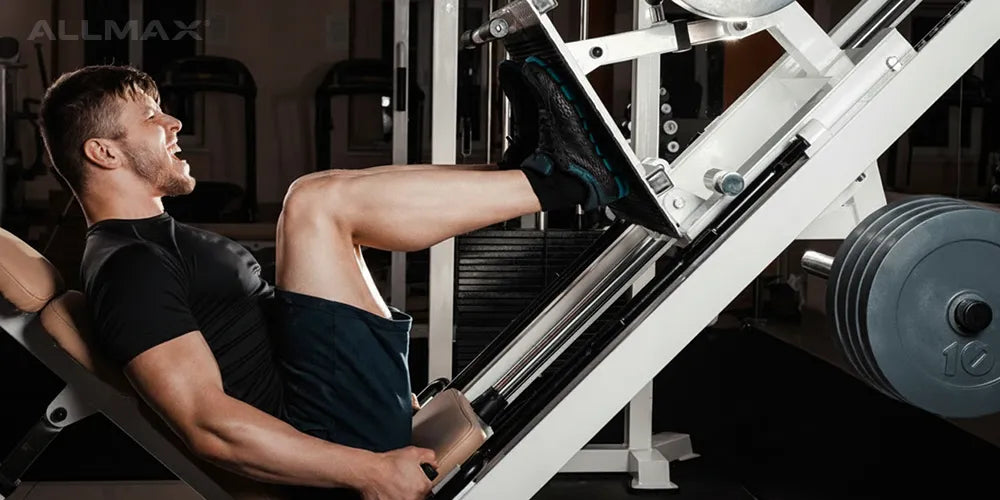
Every rep of a heavy squat or set of barbell rows inflicts controlled damage on your muscle fibers. These micro tears trigger temporary strength loss, localized inflammation, and soreness. This is not a flaw in the system; it is the stimulus your body needs to adapt.
The key mechanism is the balance between muscle protein breakdown and muscle protein synthesis1. Net muscle growth occurs when synthesis exceeds breakdown across the full day, not just within a narrow 30-minute window after training. Leucine, an essential amino acid found in high concentrations in whey, acts as a primary trigger for the mTORC1 signaling pathway that drives this synthesis.
Meanwhile, glycogen, the stored carbohydrate in your muscles, gets heavily depleted during high-volume sessions like a leg day with 20+ working sets or a conditioning-heavy push session. Training on low glycogen impairs physical performance and makes subsequent workouts feel harder than they should.
High-quality recovery means fewer missed sessions, more accumulated training volume, and better progression on key lifts over months and years. Poor recovery, which may be caused by low protein intake, inadequate calories, dehydration, or insufficient sleep, can increase muscle soreness and potential injury risk and can impair training quality and readiness. Appropriate supplements for muscle recovery, including whey protein, carbs, creatine, and essential amino acids, can help lifters restore a recovered state more efficiently after exercise. Note that persistent pain, swelling, weakness, or loss of function is not just poor recovery, and should be assessed by a healthcare professional.

What Happens in Your Body After a Workout?
Once your last set is done, your body shifts into repair mode. It begins fixing damaged muscle tissue, restoring fuel, and rebalancing fluids and electrolytes lost through sweat during physical activity.
Muscle repair involves satellite cell activation and the rebuilding of muscle fibers. This process requires a steady supply of amino acids, whether from protein powder, whole foods like chicken and eggs, or a combination. Fast-digesting whey protein is a convenient, high-quality complete protein source which delivers amino acids quickly to muscle tissue, making it a practical choice when appetite is suppressed or a full meal is not practical after training. The temporary increase in insulin sensitivity post workout means your muscles are primed to absorb nutrients efficiently. While the anabolic window extends well beyond 30 minutes, having a balanced recovery shake or meal within one to three hours is a practical strategy for most athletes.
Glycogen restoration depends on carbohydrates after exercise. Your muscles convert dietary carbs back into stored glycogen, a process that is especially important after high-volume or two-a-day sessions. Post-workout supplements and a whole food meal help replenish glycogen stores depleted during exercise.
Rehydration matters more than many lifters realize. Sweat carries sodium, potassium, magnesium, and other minerals out of your body, and failing to replace them can worsen muscle cramps and fatigue.
This entire repair, recovery, and adaptation cycle can take 24 to 72 hours depending on training intensity, the muscle group trained, and your training age.
Best Supplements for Muscle Recovery (Science-Backed Choices)
Below is a practical overview of evidence-based post workout recovery supplements. Each one supports a specific aspect of recovery, whether that is muscle repair, muscle protein synthesis, glycogen replenishment, or reduced muscle soreness.
All of these supplements are most effective when combined with sufficient daily protein (1.6–2.2 g/kg or 0.7-1.0 g/lb), adequate calories, 7 to 9 hours of sleep, and progressive training. They provide fast-digesting nutrients immediately after training, but they are not magic. Dosing recommendations here are drawn from current sports nutrition research rather than marketing hype.
Whey Protein for Muscle Repair and Growth
Whey protein aids muscle recovery after exercise by rapidly elevating blood amino acid levels and stimulating muscle protein synthesis. Fast-digesting whey protein supports muscle repair and growth, and protein supplementation can reduce muscle soreness post-exercise, especially when it helps an athlete meet their daily protein needs.
Current evidence recommends roughly 0.25 g of protein per kg bodyweight, approximately 20 to 40 g, after resistance training1. For a 200 lb (~90 kg) lifter finishing a heavy session, the upper end of that range is appropriate. Leucine content is the differentiator: aim for at least 2 g of leucine per dose to effectively trigger the mTORC1 pathway.
Whey protein isolate offers a higher protein percentage with lower lactose and faster absorption, making it ideal for a recovery shake when your stomach is not ready for a full meal. ALLMAX Isoflex delivers 27 g of protein with zero sugar per serving, providing the essential amino acids and leucine needed to support muscle repair and reduce soreness. Post-workout supplements can reduce muscle soreness significantly when protein quality is high.
Whey can be combined with carbohydrates, such as blended oats or banana, in a single shake for enhanced glycogen replenishment and recovery, especially after intense training or conditioning work.
Carbohydrates for Glycogen Replenishment
Carbohydrates after exercise are the primary driver of muscle glycogen restoration. For demanding sessions, a general target of 0.25 to 0.50 g of carbohydrate per lb (0.5-1.0 g per kg) bodyweight in the first few hours post workout supports faster recovery and better energy for the next session. For a 200 lb (~90 kg) lifter after a high-volume leg day, that means roughly 45 to 90 g of fast-digesting carbs. Higher carbohydrate intakes are most relevant when recovery time is short, such as multiple training sessions in one day. For most once-daily lifters, meeting total daily carbohydrate needs matters more than a fixed immediate post-workout target.
Although carbohydrate intake is the most important for glycogen replenishment, adding protein can be practical when a recovery meal is needed, particularly when carbohydrate intake is lower than optimal. Combining protein and carbohydrates enhances glycogen restoration beyond what either nutrient provides alone to create a more complete recovery environment. This is because a small amount of protein can help stimulate insulin secretion, boosting glycogen storage rates.
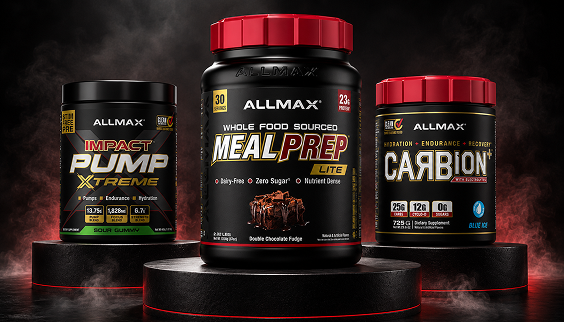
Liquid carb formulas are practical immediately post workout when solid foods feel heavy. ALLMAX Carbion+ is a performance carbohydrate formula, which comes unflavored to mix with whey in a post workout drink, or flavored to sip with a meal, supporting glycogen replenishment and sustained energy.
For athletes interested in weight gain or those who struggle to meet caloric needs, ALLMAX QuickMass blends proteins and carbohydrates into a calorie-dense recovery shake that doubles as a mass-building tool. It is a practical option when appetite or schedule makes eating enough whole foods difficult, or for hard gainers who need a calorie boost.
Creatine Monohydrate for Strength and Recovery
Creatine supports muscle recovery after intense workouts by increasing intramuscular phosphocreatine stores. This improves your ability to perform repeated high-intensity efforts and enhances performance during high-intensity training. Creatine helps replenish energy levels in muscles, allowing greater training volume and strength gains over time.
A 2024 trial found that 28 days of creatine supplementation at 5 g per day significantly improved strength recovery, range of motion, and reduced swelling after eccentric exercise2. Evidence for creatine reducing soreness or accelerating recovery after a single workout is less consistent and studies examining specific biomarkers like LDH are not always uniform. The recommended dosage is 5 grams of creatine monohydrate post-workout, though timing is flexible and many athletes simply add it to their daily shake. Consistent daily use matters more than taking it immediately after training.
A loading phase of roughly 20 g per day split into four doses for five to seven days accelerates saturation, though some people experience mild nausea at higher doses. Skipping the loading phase and going straight to 3 to 5 g daily works but takes longer to reach full stores. Creatine pulls water into muscle cells, a phenomenon called intracellular water retention, so be sure to stay adequately hydrated. A reasonable target is 30 liters (100 oz) of water daily, however individual hydration needs vary with body size, climate, diet, and sweat loss.
ALLMAX Creatine Monohydrate is a pure, micronized formula that mixes easily into any supplement stack, with both unflavored and flavored options available. It is one of the most researched supplements in the industry, with a strong safety profile in healthy adults, both men and women, at recommended doses. It is considered safe for long-term daily use when taken as directed.
BCAAs and EAAs for Muscle Protein Balance
BCAAs are branched chain amino acids including leucine, isoleucine, and valine. EAAs encompass all nine essential amino acids needed for complete protein synthesis. Both play a role in stimulating muscle protein synthesis and reducing muscle protein breakdown, although neither are a complete protein source.
BCAAs can shorten recovery time after workouts. A meta-analysis of BCAA supplementation found modest reductions in creatine kinase (a marker of tissue damage) and DOMS at 24 to 72 hours post-exercise3. BCAAs decrease perceptions of fatigue during exercise, which can improve the quality of longer sessions. BCAA supplementation ranges from 0.087 to 0.22 grams per kg daily, with research showing that taking 20 grams of BCAAs one hour before exercise is beneficial for reducing muscle damage markers.
BCAAs or an EAA blend around training supports muscle recovery and limits soreness, especially during fasted training or when meal timing is not ideal. MusclEAA Xtreme provides 10 g of essential amino acids per serving, including 5.3 g of BCAAs and 3.4 g of L-leucine, plus 2 g of L-glutamine. It can be used as an intra-workout EAA option when complete protein is not practical around training..
For athletes already consuming enough high-quality protein per day, additional BCAAs may offer limited extra benefit. Whole-protein sources like red meat, chicken, and whey remain the foundation, with BCAAs or EAAs serving as situational tools.
Glutamine: What It Can and Cannot Do
Glutamine is a conditionally essential amino acid heavily used by immune cells and gut tissue. During intense training or aggressive dieting, glutamine stores can become depleted, potentially compromising immune function and gut integrity. Glutamine becomes conditionally essential during high intensity training, meaning that the body's demand outpaces its production of glutamine.
Some sports med research suggests glutamine provides modest benefits for immune support in hard-training athletes under high physiological stress, but it does not appear to drive muscle protein synthesis the way leucine or creatine does4. Some lifters use 5 to 10 g post workout or before bed to protect immune function, but it should be viewed as a supportive supplement. Glutamine also fuels cells lining the digestive tract and can help promote a strong gut lining, which may improve digestive health.
Read more about glutamine benefits for gut health.
Other compounds worth mentioning alongside glutamine: curcumin, the active compound in turmeric, is an anti-inflammatory that can decrease muscle damage indicators. Tart cherry juice helps reduce inflammation and soreness after intense exercise. These are not primary recovery drivers, but they add a layer of support for athletes managing high training loads.
Prioritizing total daily protein, creatine, and sufficient calories typically delivers more measurable results in muscle recovery than any herb alone.
Hydration and Electrolytes for Recovery
Fluid and electrolyte losses through sweat directly affect blood volume, nerve signaling, and muscle contraction. Electrolytes are essential for maintaining hydration after prolonged or high-sweat exercise, and may reduce muscle cramps (although cramping is not always due to electrolyte loss). Sodium, potassium, and magnesium are the primary minerals lost during training.
Simple hydration guidance: aim to restore roughly 1.25 to 1.5 liters of fluid per kilogram of bodyweight lost during training. For heavy sweaters or athletes training in hot environments, adding sodium at 0.3 to 0.7 g per liter of fluid helps restore balance more effectively than water alone5.
Magnesium helps with muscle function and can be beneficial if dietary intake is low. Magnesium supports muscle relaxation and optimizes sleep quality for recovery, making it relevant beyond just the post workout window. Many athletes combine electrolytes with whey protein, carbohydrates, and electrolytes in a single post workout recovery drink, particularly after long or high-sweat sessions.
Foods rich in electrolytes, like nuts, beans, and leafy greens, also contribute to daily needs when whole-food meals are part of the plan.
How to Choose the Right Post Workout Recovery Supplements
The best post workout recovery supplements depend on your training goal, session frequency, and current diet. Most lifters benefit from a foundation of protein plus creatine, with carbohydrates, amino acids, and electrolytes layered in based on training volume and calorie needs.
Goal |
Recommended Supplement Stack |
|---|---|
Build lean muscle |
|
Gain mass |
QuickMass + Creatine |
Faster glycogen recovery |
Carbion+ + Whey Protein |
Improve recovery broadly |
Whey Protein + Creatine + Electrolytes |
High-volume training |
Whey + Carbs + Creatine + BCAAs
|
An off-season bodybuilder training five to six days per week with high volume will likely need the full stack: protein, creatine, carbs, and aminos. A recreational lifter training three days per week can often get best results from protein and creatine alone, adding carbs on heavier days.
Budget and consistency matter more than chasing every possible product. Select two to four core items and use them daily. Among sellers in the supplement space, quality and third-party testing separate reliable products from questionable ones.
Post-Workout Recovery Nutrition Tips Beyond Supplements
Supplements work best on top of a strong nutrition and lifestyle base. Your day-to-day habits drive the majority of your muscle recovery, muscle growth, and performance gains.
For protein, aim for 0.7 to 1.0 g per lb (1.6 to 2.2 g per kg) of bodyweight per day, spread across meals. A 165 lb (75 kg) lifter might consume 30 g of protein at breakfast from eggs, 30 g at lunch from chicken, a post workout shake with 27 g from whey protein isolate, and 35 g at dinner from fish, totaling roughly 122 g. People with higher bodyweight or training volume adjust upward.
Do not skip carbohydrates: enough carbs to fuel training and support glycogen replenishment prevents chronically low energy availability, especially during high-volume resistance training phases. The anabolic window is several hours long, not 30 minutes as previously believed. But having a balanced meal or shake containing protein and carbs within one to three hours after training is a practical habit that keeps you consistent.
Omega-3 fatty acids help lower inflammation and may reduce post-workout stiffness, but they are not a primary post-workout recovery supplement. Include fatty fish, walnuts, or a quality fish oil supplement regularly if you’re looking for that extra edge.
Lifestyle factors are non-negotiable: prioritize 7 to 9 hours of sleep, manage stress, and program at least one rest or light recovery day per week to allow muscle fibers to fully repair. ALLMAX's performance and recovery supplements make it easier to hit nutrient targets, particularly when appetite or schedule is challenging.
FAQs About Supplements for Muscle Recovery
What are the best supplements for muscle recovery?
The most evidence-backed options are whey protein (or another complete protein), creatine monohydrate, and carbohydrates. Situational additions include BCAAs or EAAs, glutamine, and electrolytes. Consistency and overall nutrition matter more than any single product.
Which post workout recovery supplements actually work?
Protein powder, creatine monohydrate, and carbohydrates have the strongest research behind them. Each supports a different aspect of recovery: muscle protein synthesis, phosphocreatine replenishment, and glycogen restoration, respectively.
Should I take protein immediately after my workout?
Taking protein within a few hours post workout is sufficient for most people. A post workout shake is a convenient habit, but total daily protein intake matters more than exact timing.
Is creatine good for recovery?
Yes. Creatine primarily supports performance and training capacity, which indirectly improves recovery and adaptation. Daily use at 3 to 5 g is more important than exact timing. Learn more about the science behind creatine monohydrate.
Are BCAAs necessary after training?
BCAAs are optional if total daily protein is already high. They are most useful during fasted training, prolonged sessions, or when protein meals are spaced far apart. They are found in adequate amounts in complete protein sources.
How long does muscle recovery take?
General ranges are 24 to 72 hours depending on intensity, the muscle group worked, and training age. Judge readiness by assessing soreness, strength levels, and range of motion rather than following a fixed number, and adjust rest days and nutrition as needed. If soreness, weakness, swelling, or limited range of motion is significant or persistent, reduce training load and seek medical guidance when appropriate.
Conclusion: Building a Smarter Post-Workout Recovery Plan
Effective workout recovery is built on three pillars: progressive training, sufficient sleep, and solid nutrition. Supplements for muscle recovery act as precise tools to support muscle repair, muscle protein synthesis, and long-term overall performance, not replacements for the fundamentals.
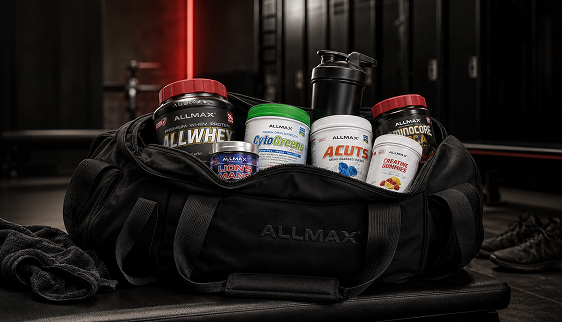
The core stack for most lifters is straightforward: whey protein or another complete protein, creatine monohydrate, and appropriate carbohydrates. Layer in BCAAs, EAAs, glutamine, or electrolytes based on your specific training demands and body needs. Post workout recovery supplements from ALLMAX, including Isoflex, Carbion+, and Creatine Monohydrate, are formulated to fit into evidence-based recovery strategies alongside whole foods.
Experiment within these science-backed guidelines. Track your strength, muscle soreness, and performance over several weeks. Adjust your recovery stack as your goals evolve. Click through to explore the ALLMAX product line and find what fits your training.
Treat recovery with the same discipline you bring to your training, and the results will follow.
References:
- Jäger R, Kerksick CM, Campbell BI, et al. International Society of Sports Nutrition Position Stand: protein and exercise. J Int Soc Sports Nutr. 2017 Jun 20;14:20.
- Yamaguchi S, Inami T, Ishida H, et al. The Effect of Prior Creatine Intake for 28 Days on Accelerated Recovery from Exercise-Induced Muscle Damage: A Double-Blind, Randomized, Placebo-Controlled Trial. Nutrients. 2024 Mar 20;16(6):896.
- Salem A, Ben Maaoui K, Jahrami H, et al. Attenuating Muscle Damage Biomarkers and Muscle Soreness After an Exercise-Induced Muscle Damage with Branched-Chain Amino Acid (BCAA) Supplementation: A Systematic Review and Meta-analysis with Meta-regression. Sports Med Open. 2024 Apr 16;10(1):42.
- Ramezani Ahmadi A, Rayyani E, Bahreini M, Mansoori A. The effect of glutamine supplementation on athletic performance, body composition, and immune function: A systematic review and a meta-analysis of clinical trials. Clin Nutr. 2019 Jun;38(3):1076-1091.
- McDermott BP, Anderson SA, Armstrong LE, et al. National Athletic Trainers' Association Position Statement: Fluid Replacement for the Physically Active. J Athl Train. 2017 Sep;52(9):877-895.